
VARIETY
The results below reflect BQI readings of crops, filtered by variety.
See the range of nutrient variation from our study below
What is the BQI?
The Bionutrient Quality Index was developed from normalized values of a subset of nutrients and minerals measured in the BI lab.
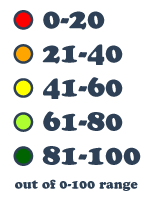
An example of this would be to rank tomatoes and peppers from highest to lowest for a given nutrient (e.g. antioxidants), then the highest tomato and pepper samples are given a score of 100, and the lowest a score of 0. Once complete, all of the crops have the same range of values, 0-100, and can be compared to each other.
Next, BQI combines multiple nutrients and minerals into a single value we can use to aggregate complex data to:
Take a more holistic look at how nutritious a sample was and
Combine a number of crops together to increase the statistical power of our comparisons and learn more from the data.
The Bionutrient Quality Index includes antioxidants, polyphenols, and 6 minerals: magnesium, sulfur, potassium, calcium, iron, and zinc. ((Antioxidants + Polyphenols) / 2) +protein (for grains) + ((Mg + S + K + Ca + Fe + Zn)/6
To learn more please visit: Bionutrient Institute - 2020 Data Report


Click to zoom


Click to zoom


Click to zoom


Click to zoom


Click to zoom


Click to zoom


Click to zoom


Click to zoom


Click to zoom


Click to zoom


Click to zoom


Click to zoom


Click to zoom


Click to zoom


Click to zoom


Click to zoom


Click to zoom

Click to zoom


Click to zoom


Click to zoom

Click to zoom