Who We Are
The Bionutrient Institute team is a global collection of scientists, technicians, engineers, organizers, and others working toward our collective goal to define nutrient density.

THE BI TEAM
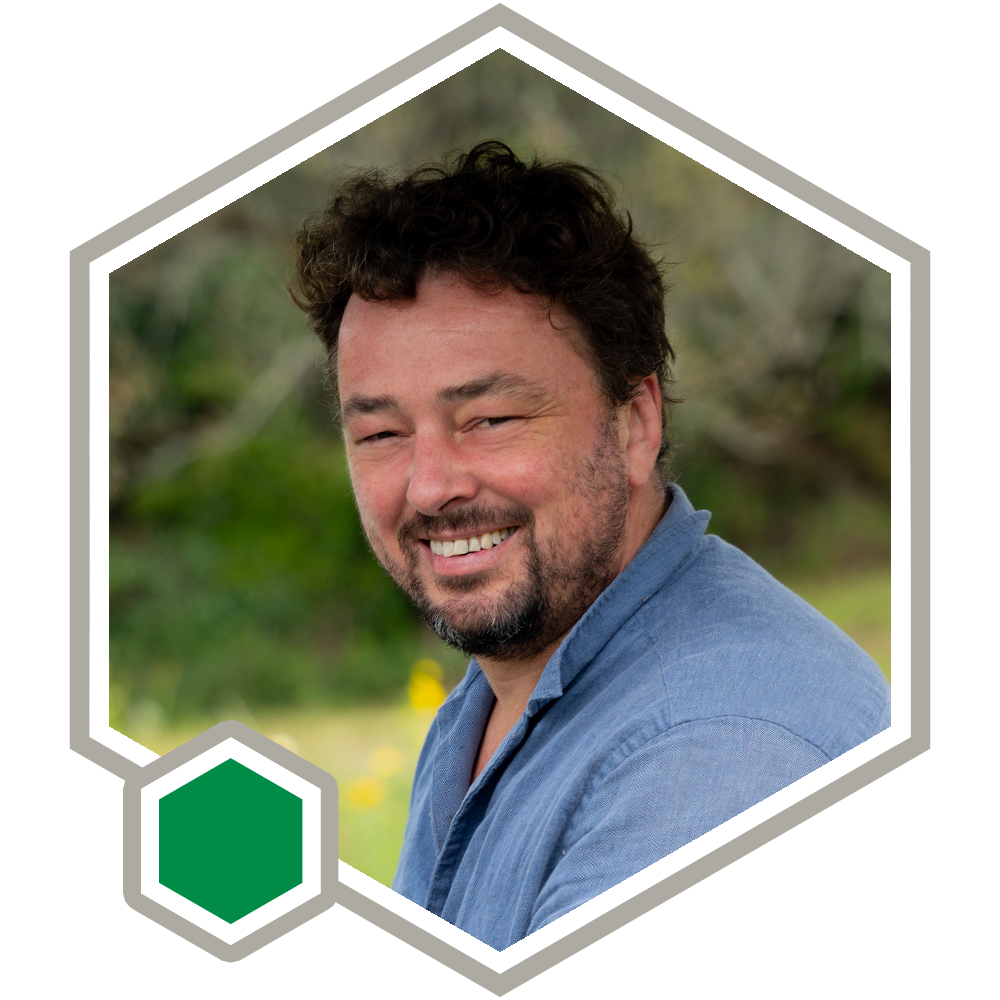
Dan Kittredge
Founder/Executive Director
Dan has been an organic farmer for more than 30 years. He grew up on Many Hands Organic Farm in central Massachusetts with his parents, Julie Rawson, NOFA-MA Executive Director, and Jack Kittredge, publisher of Natural Farmer. After working globally in the late 90s and early 2000s with farmers, NGOs, and researchers across India, Russia, and Central America, Dan returned to the U.S. and in 2010 launched the BFA in order to ignite a movement around food quality.
Dan has become one of the leading proponents of “nutrient density,” and works to demonstrate the connections between soil health, plant health, and human health through workshops and speaking engagements around the world, the annual Soil and Nutrition Conference, and an increased presence online through social media, a YouTube channel, and numerous webinars and podcasts.
Dan launched the Real Food Campaign, now the Bionutrient Institute, that, with open-source science partners Our-Sci and FarmOS, are leading the effort to identify and increase nutrition in the food supply. The Bionutrient Institute has engineered and released a hand-held consumer spectrometer, the Bionutrient Meter, designed to test nutrient density at the point of purchase and bring transparency to the marketplace. Via the Bionutrient Meter, the goal is to empower consumers to choose their foods based on nutrient quality and thereby leverage economic incentives to drive full system regeneration.

Sarah Seng
Development
Director
Sarah is the Development Director at the Bionutrient Food Association (BFA) and Bionutrient Institute, where our mission is to define and democratize nutrient density across 20 key food crops. Our goal is to ensure that the standards we develop remain in the public domain—accessible, open, and equitable for all.
At BFA, we see nutrient density as one of the most transformative levers in the food system. Emerging research highlights a powerful link between soil health and the nutritional value of food, with strong evidence that lower chemical inputs and greater biological activity result in more nutrient-rich crops. This isn’t just a scientific breakthrough—it’s a systems-level opportunity.
By establishing nutrient density as a measurable, actionable metric, we aim to shift how food quality is understood, valued, and rewarded. When adopted in corporate and sustainability reporting, nutrient density has the potential to change land management practices, improve farm profitability, increase pest and disease resistance, and deliver more flavorful, nutrient-rich food to consumers.
Sarah’s background spans engineering, agriculture, education, and governance, and she approaches development through a systems-thinking lens—connecting strategic frameworks with on-the-ground realities. A key area of focus in her work is the intersection of global sustainability standards and economic systems, especially how they shape capital flows and market access. She is deeply committed to ensuring that farmers - particularly those at the grassroots - have access to the tools, data, and context they need to thrive in an evolving global food economy.
Outside of BFA, Sarah serves as Treasurer on the Board of Food Connect Shed Pty Ltd (Australia), a community-owned food hub. In partnership with the Food Connect Foundation, she’s working toward a bold goal: to significantly increase local food production in Brisbane by the 2032 Olympics, as part of a long-term regional resilience and food sovereignty strategy.
At the heart of all her work is a simple belief: food is a first language - a universal connector between people, cultures, and ecosystems. Whether through nutrient density research, sustainability reporting, or grassroots education, Sarah is committed to helping build resilient food systems that nourish both people and the planet.
If you’re working at the intersection of food, sustainability, systems thinking, or community resilience - or if you're curious about nutrient density as a tool for transformation, or would love to support our work - please reach out.

Rachel Jackson
Graphic
Designer
Rachel has a love for all things outdoors, including a focus on the health of the food systems that feed us. She previously worked as the Marketing & Communications Manager for Pipeline Foods, a supply chain company for organic grains. Rachel resides in Montana, across from a wheat field, and is devoted to playing her part in expanding access to healthier food that is food for both the earth and the humans and animals inhabiting it.
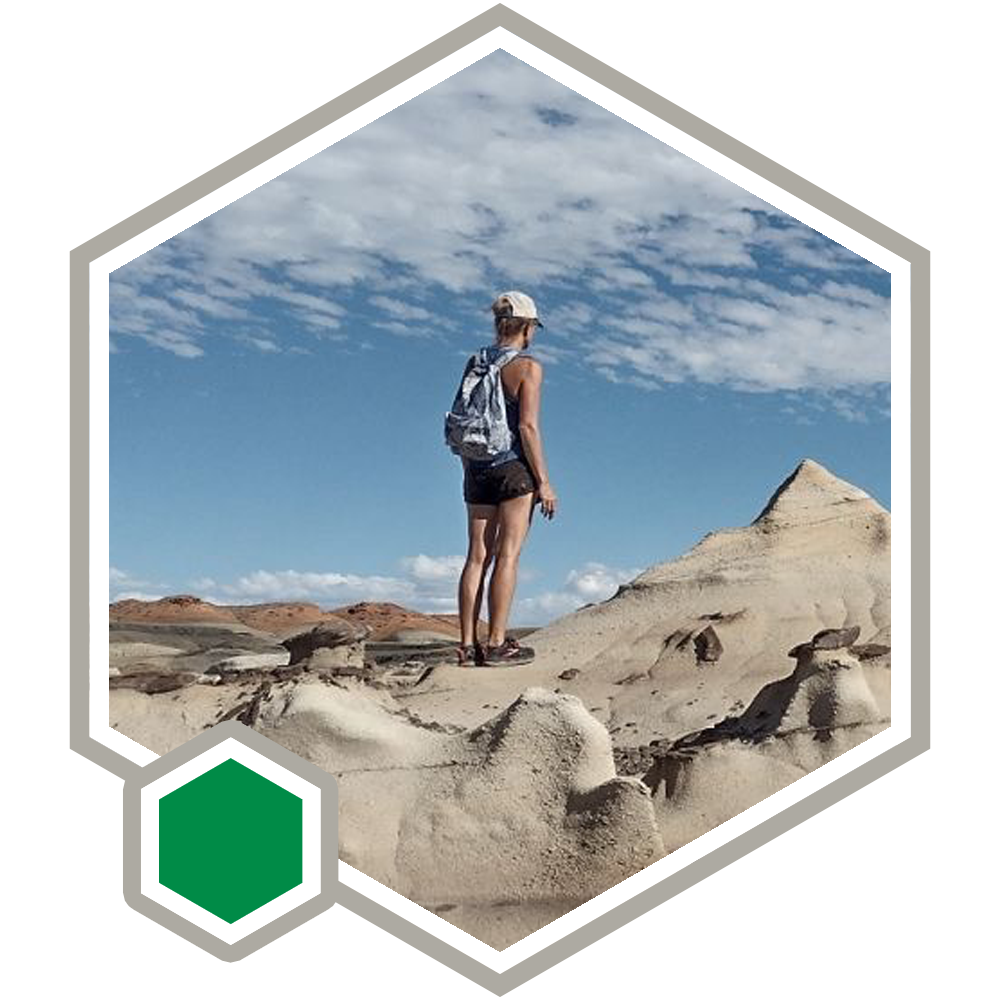
Shawna Lyons
Operations
I was first introduced to the Bionutrient Food Association nearly two decades ago, during a personal search to answer a simple but profound question: how nutritious is the food I am growing? Over time, that question expanded-becoming not just an inquiry, but a foundation for understanding health, agriculture, and the interconnected systems that sustain us. Today, that same question continues to guide my work and serves as a starting point for broader conversations about wellness and resilience. As Operations Director for the Bionutrient Food Association and Bionutrient Institute, I support the systems, partnerships, and workflows that allow our research and programs to function and grow. My role is largely behind the scenes-coordinating complex, multi-stakeholder initiatives and working to ensure that the many moving pieces stay aligned, effective, and grounded in purpose. My background includes a degree in Soil and Crop Science with a focus in Organic Agriculture, along with hands-on experience as a farm manager and soil consultant. This combination of practical and operational experience shapes how I approach my work: with a focus on both integrity in process and relevance in application. I have yet to find a flaw in the mission to increase the quality of our food supply. It is both an honor and a responsibility to contribute to a cause that holds such potential for meaningful, global impact. At my core, I see myself as a steward-seeking, like many of us, to live with greater balance, stay grounded, and leave the world a little better for those who follow. Thank you for your support of this work, and for your grace as our small team continues striving to improve the nutrition of the food you eat, your neighbors eat, and communities around the world rely on.
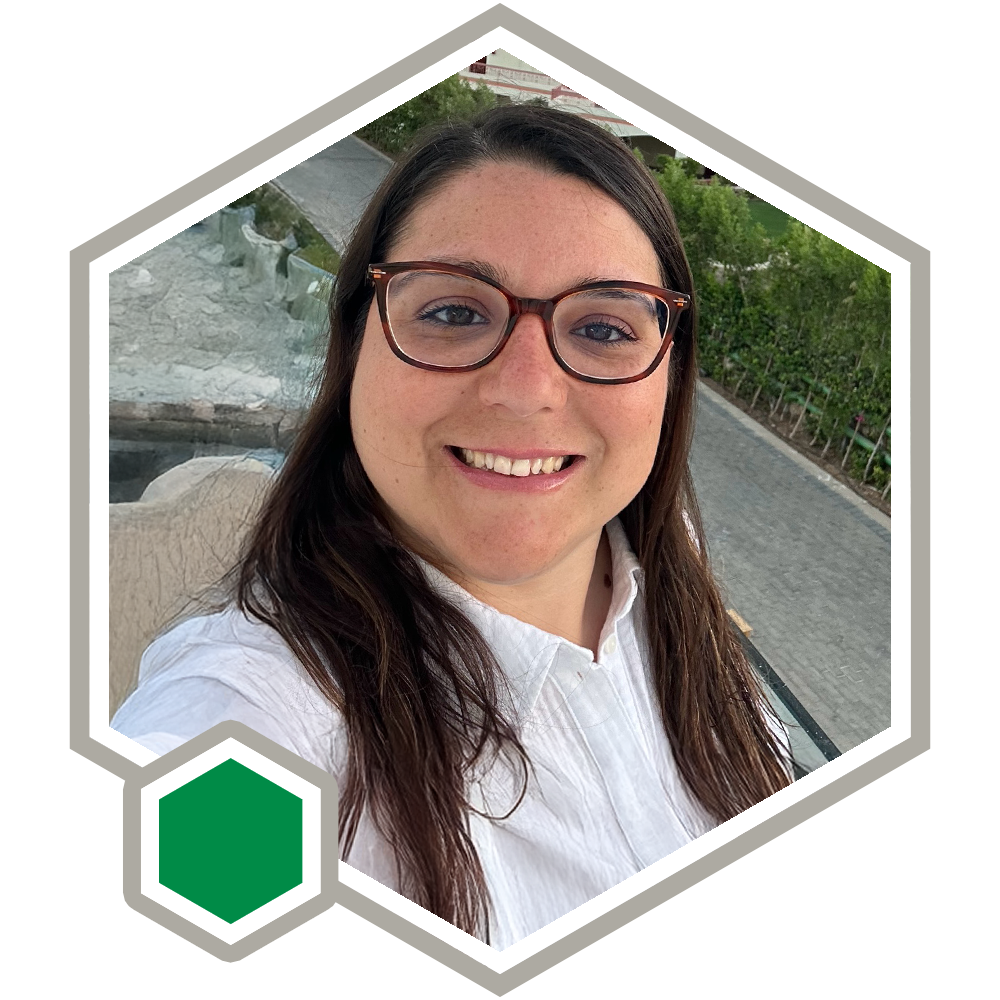
Alessandra Follesa
Accounting &
Finance Director
As Accounting and Finance Director, Alessandra Follesa is dedicated to fostering accounting and financial health and sustainability, ensuring we achieve our strategic objectives. Alessandra holds a double MBA in Professional Corporate Management and Corporate Finance from University of Pisa, which equipped her with advanced expertise in financial analysis, strategic planning, and corporate governance. Throughout her career, Alessandra has provided tailored financial solutions that drive business growth and operational efficiency since her proficiency encompasses budgeting, financial forecasting, payroll management, and risk assessment, enabling organisations to navigate complex financial landscapes with confidence. When she’s not navigating the complexities of finance & accounting, she’s either exploring new cultures, exotic cuisines or diving somewhere by the coral reefs.

OUR SCI

Greg Austic
Researcher
Greg coordinates implementation of the observational study and partner labs, development of the BI meter, and the software infrastructure to maintain and analyze the data.
Open technology advocate, co-organizer of the GOSH and the GOAT. Jack of all trades capable of getting an idea off the ground quickly and inexpensively.

Dr. Dan TerAvest Ph.D.
Soil Scientist
Dr. Dan TerAvest is a Soil Scientist and co-founder of Our Sci LLC. For the past 5 years he has been bridging the divide between tool development and user experience, coordinating between technical and user teams in the US, Africa, and Australia to develop appropriate tools and methods. Dan is currently leading development of SoilStack, a smart soil sampling app to quantify soil carbon at the field and landscape scales.
BI Role:
Dan developed and led the Bionutrient Institute’s grower and citizen science partner programs prior to 2021. He also implements the Bionutrient Institutes distributed data collection pipeline, ensuring that partners can capture the sample metadata (how the food was grown, labelled, etc) needed to build a robust library of food, soil and management data.

Barbara Nainiger
Lab Tech
Barbara works as a lab tech in the Ann Arbor lab. She intakes vegetable samples and performs the wet chemistry on them to quantify their polyphenol, antioxidant, or protein content.
Graduating from Ohio State, she has a degree in Biology and Environmental Science and is pursuing a masters degree with SEAS at the University of Michigan with a concentration in geospatial science.
In her free time she likes to sail and play with my Chihuahua, Fluke.
Adie Pregenzer
Community Success Specialist
A Michigan State University graduate in Environmental Sustainability with a background in responsible sourcing, quality operations, and community sustainability. Adie is a community success specialist with the Bionutrient Institute Beef and Organizational Partner programs.

Puspa Ghimire
Laboratory Manager
Puspa was born and raised in a farming community in rural Nepal. She did her undergraduate studies in Agriculture (Purbanchal University 2004-2007, Nepal). Upon graduation, she utilized her knowledge to gain further experience on improving sustainable livelihood of the marginalized farmers through Bio Intensive Farming Systems (BIFS) by working as an Agriculture Program Officer in Eastern Nepal (2008-2010). She completed her Masters of Professional Studies in Horticulture from University of Minnesota (2012-2015). Prior to this role, Puspa managed a Nutrient media preparation lab for the Research communities across the United States (2018-2021).

CHICO STATE LAB

Dr. Cynthia Daley
Director of the Regenerative Agriculture Program
Dr. Cynthia A. Daley completed her BS in animal science at the University of Illinois and her PhD at the University of California, Davis in 1997.
Cynthia Daley is a professor within the College of Agriculture at California State University, Chico, where she supervises and directs the Organic Dairy Program (ODP), a program she founded together with dairy manager Darby Heffner and members of the organic dairy industry in 2006. The program has evolved into a very successful organic livestock enterprise at the University Farm, employing 10 students/semester, six directed work interns, and two full time staff. The program provides education and training in organic pasture management and livestock production practices to students and farmers through courses, workshops, field days and conferences.
With the launch of the ODP in 2006, Daley worked with a group of progressive organic dairy farmers to create the Western Organic Dairy Producers Alliance, a grassroots organization that serves as the voice for producers in the western region. Through these industry relationships the concept of the Regenerative Agriculture Initiative (RAI) was born. Dr. Daley currently serves as Co-Director of the Regenerative Ag Initiative which represents an interdisciplinary team of faculty and farmers who recognize the ecological benefits of regenerative farming practices. Agriculture, when done regeneratively, can be the solution to soil degradation and climate change.
FRANCE LAB

Pierre Weill
Agronomist
French agronomist Pierre Weill founded Valorex in the early 90s, a feed company dedicated to health-oriented animal nutrition. Throughout the 90s, he published his work in the peer-reviewed scientific press, research that supported the idea that compared to the “corn-soy” dominant system, “omega-3 feed” (with more grass, alfalfa and linseed) enables better health (fertility and immunity) in animal production. Building on these insights, Pierre next began researching how these different animal diets impacted human nutrition. Clinical human studies done in 2000 demonstrated the link between variety in the fields, animal health and human health and was published for the first time.
Pierre then created the non-profit Bleu-Blanc-Coeur to involve all the actors of the food chain in this public health project. One goal of Bleu-Blanc-Coeur and the next step of the project has been to integrate an understanding of the environmental impact, with an eye toward its improvement. Over the last 20 years, numerous clinical trials have supplied much data and scientific insights that have contributed to the Bleu-Blanc-Coeur project, including greenhouse gas measurement and life-cycle assessment.
The idea that there is a measurable and interconnected link between the health of the planet, soils, animals and humans is now supported by top scientists. Bleu-Blanc-Coeur has continued to grow in France and beyond, and drives the idea that healthy soils are the basis for healthy people.
UTAH STATE UNIVERSITY LAB
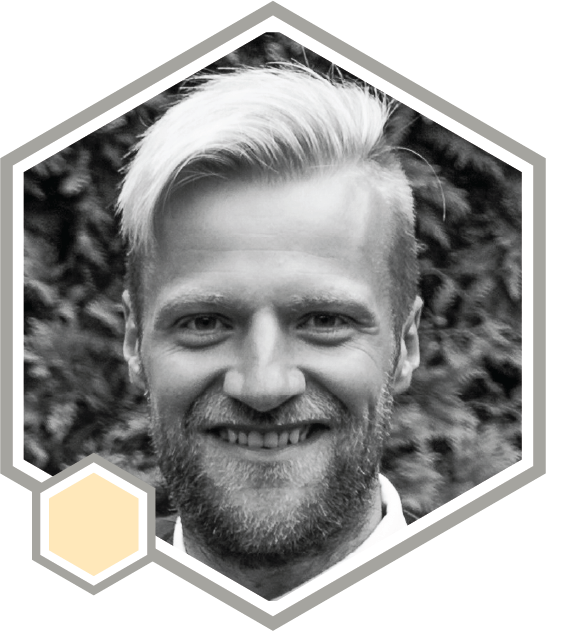
Dr. Stephan van Vliet
Assistant Professor - Center for Human Nutrition Studies
Dr. Stephan van Vliet is a nutrition scientist with metabolomics expertise in the Center for Human Nutrition Studies at Utah State University. Dr. Stephan van Vliet earned his PhD in Kinesiology as an ESPEN Fellow from the University of Illinois at Urbana-Champaign, and received training at the Washington University in St Louis School of Medicine and Duke University School of Medicine. Dr. van Vliet’s research is performed at the nexus of agricultural and human health. He routinely collaborates with farmers, ecologists, and agricultural scientists to study critical linkages between agricultural production methods, the nutrient density of food, and human health. His work has been published in the American Journal of Clinical Nutrition, Scientific Reports, the Journal of Nutrition, and the Journal of Physiology.

SOFTWARE & STATISTICS
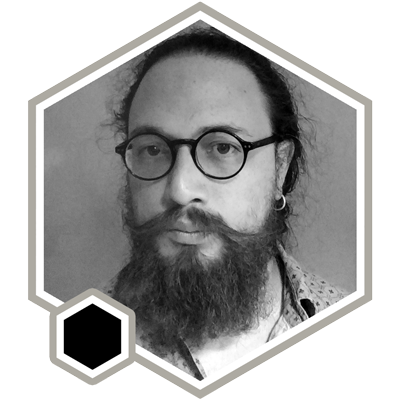
Octavio Duarte
Data Analyst
Octavio does data centric work: Statistics and Data Analysis, Data Engineering and Data Visualization. That is, I design the processes that transform collected pieces of data into organized and coherent information, and both do research on the patterns found within that information to test our colleague's hypotheses and predictive models based on it and communicate our findings via visualizations and interactive dashboards.
Born (1988) and living in Buenos Aires, Professor in Mathematics from Universidad Tecnológica Nacional, Specialist in Mathematical Statistics from Universidad de Buenos Aires. I have worked as a mathematics professor in Universidad de Tres de Febrero (2011-2020) and assistant professor at Universidad de Buenos Aires (2020-) until joining Our Sci in May 2020. Since then, I'm working as a data scientist for them in the context of the Real Food Campaign.

Manuel Di Cerbo
Software Developer
Manuel is a full-stack developer and leads the team which builds the BIs software infrastructure.
Head of Software Engineering at Our Sci and professor of FHNW in Switzerland. Has a strong background in Embedded Systems and excels in bringing technologies together rapidly.